Is Northeast TN Still A Bargain in 2026?
Northeast Tennessee is one of the most affordable and scenic regions in the eastern United States — but it is not for everyone. As a real estate agent who grew up here, moved away for 35 years, and then returned, I have a unique perspective on what makes this area special and what might give some people pause. Here is an honest breakdown of the pros and cons of living in Northeast Tennessee.
Where Is Northeast Tennessee?
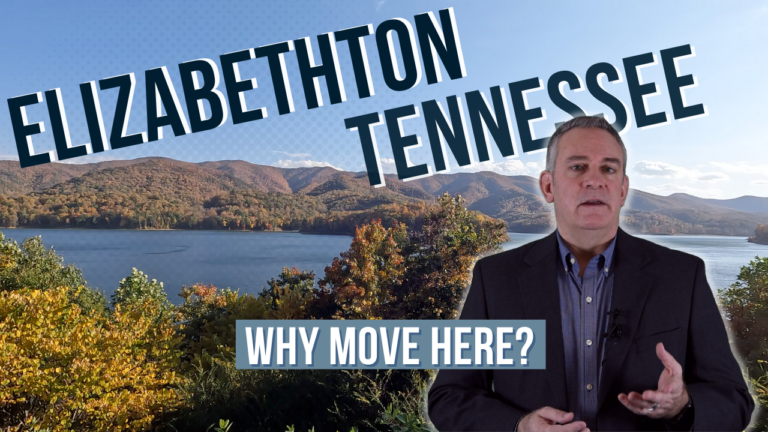
Northeast Tennessee refers to the Tri-Cities metropolitan area — Bristol, Johnson City, and Kingsport — along with surrounding communities including Jonesborough, Elizabethton, Greeneville, Erwin, Bluff City, and others. The region sits in the foothills of the Blue Ridge Mountains, near the Tennessee-Virginia border. The combined metro population is approximately 500,000 people.
The Pros
- No state income tax
- Low cost of living
- Affordable housing
- Four-season climate with mild winters
- Blue Ridge Mountain access
- Outdoor recreation (hiking, fishing, kayaking)
- Friendly, welcoming communities
- Low crime rates in most areas
- Growing food and craft beer scene
- Rich musical heritage
The Cons
- Limited public transportation
- Fewer large-employer job opportunities
- Distance from major airports
- Some areas have limited broadband
- Less racial and cultural diversity
- Limited nightlife and big-city amenities
- Healthcare specialist access can require travel
Pro: No State Income Tax
Tennessee does not tax wages, salary, Social Security, pensions, or 401(k) distributions at the state level. The Hall Income Tax on interest and dividends was fully repealed in 2021. For retirees moving from high-tax states like New York, New Jersey, California, or Pennsylvania, this alone can save thousands of dollars per year. It is one of the single biggest reasons people relocate here.
Pro: Affordable Housing
The Tri-Cities housing market remains significantly more affordable than most of the eastern U.S. The 2025 median sales price for the Tri-Cities region was $280,000, according to the Northeast Tennessee Association of Realtors (NETAR). That compares to a statewide Tennessee median of approximately $375,000 and a national median well above $380,000. Most sales in the region occur in the $160,000 to $499,000 range, with strong options available for first-time buyers and retirees alike.
Tri-Cities 2025 Median Home Price: $280,000 (Source: NETAR)
Tennessee Statewide Median: ~$375,000
National Median: ~$384,500 (Source: Redfin, Jan 2026)
2026 Price Outlook: ~4% appreciation expected locally
Pro: Four-Season Climate
Northeast Tennessee has a genuine four-season climate with mild winters compared to the Northeast or Midwest. Average winter temperatures hover in the mid-30s to low 40s, with occasional snow but nothing like what you would experience in Pennsylvania, Ohio, or New England. Springs and falls are stunning — the Blue Ridge foliage draws visitors from across the region. Summers are warm but not as humid as Nashville or the Deep South.
Pro: Outdoor Recreation
If you enjoy the outdoors, this area is hard to beat. The Cherokee National Forest, South Holston Lake, Watauga Lake, the Appalachian Trail, and the Virginia Creeper Trail are all within easy driving distance. Fishing, hiking, kayaking, mountain biking, and camping are part of daily life for many residents. Roan Mountain and the surrounding highlands offer some of the most beautiful scenery on the East Coast.
Pro: Friendly Communities
This is something I noticed immediately when I returned in 2019 after being away for 35 years. People here genuinely look out for each other. The pace of life is slower, neighbors still wave, and there is a strong sense of community across the region. Jonesborough (Tennessee’s oldest town), downtown Johnson City, and the historic State Street corridor in Bristol all have their own character and charm.
Con: Limited Public Transportation
This is a car-dependent region. There is limited public transit (a small bus system operates in some areas), but for practical purposes you need a vehicle to get around. If you are coming from a city with rail, subway, or extensive bus networks, this will be an adjustment.
Con: Fewer Large-Employer Job Opportunities
The Tri-Cities area does not have the concentration of large employers you will find in Nashville, Charlotte, or Raleigh. Major employers include Ballad Health, Eastman Chemical, and the regional universities (ETSU, King University, Milligan). However, remote work has dramatically changed this equation. Many people relocating here work remotely for companies based in larger cities and enjoy a significantly lower cost of living while earning a higher-market salary.
Con: Distance from Major Airports
The Tri-Cities Airport (TRI) offers limited commercial service. For more flight options and better fares, most residents drive to either Knoxville (about 1.5 hours) or Charlotte (about 3 hours). If you travel frequently for work, this is worth factoring in. On the other hand, many relocators tell me they rarely fly and consider this a minor inconvenience compared to the quality of life gains.
Con: Broadband Availability in Some Areas
Internet access in the Tri-Cities proper (Bristol, Johnson City, Kingsport) is generally solid, with providers like Brightspeed, Spectrum, and BVU offering reliable service. However, some rural areas and mountain communities still have limited broadband options. If you work remotely, verifying internet availability at a specific address before purchasing is essential. This is improving steadily as providers expand fiber networks across the region.
Is Northeast Tennessee Right for You?
The people who love it here most tend to share a few things in common: they value outdoor access and natural beauty, they appreciate a lower cost of living, they are comfortable with a slower pace of life, and they either work remotely or are retired. If you need a major international airport nearby, extensive public transit, or a big-city nightlife scene, this may not be the right fit.
For everyone else — especially retirees, remote workers, and families looking for an affordable place with genuine quality of life — Northeast Tennessee consistently ranks as one of the best-kept secrets in the eastern U.S.
Frequently Asked Questions
What is the cost of living in Northeast Tennessee compared to the national average?
The cost of living in the Tri-Cities area is significantly below the national average. Housing costs are the biggest savings — the 2025 regional median home price was $280,000 compared to a national median above $380,000. Tennessee also has no state income tax, which further reduces the overall cost of living. Groceries, utilities, and healthcare are also generally below national averages.
What are the best cities in Northeast Tennessee for retirees?
Bristol, Jonesborough, and Johnson City are popular choices for retirees. Bristol offers a walkable downtown and proximity to the Virginia border (useful for those who want easy access to both states). Jonesborough is Tennessee’s oldest town with a charming historic district. Johnson City has the most dining, healthcare, and cultural amenities as the largest city in the region. All three benefit from no state income tax and affordable housing.
Is Northeast Tennessee a good place to live for remote workers?
Yes. The combination of no state income tax, affordable housing, reliable internet in the main cities, and quality of life makes Northeast Tennessee very attractive for remote workers. Many relocators earn salaries benchmarked to higher-cost markets like DC, New York, or California while enjoying a cost of living that is a fraction of those areas. However, verifying broadband availability is essential if you are considering a rural or mountain property.
How far is Northeast Tennessee from a major airport?
The Tri-Cities Airport (TRI) in Blountville offers limited commercial flights. For broader flight options, McGhee Tyson Airport in Knoxville is approximately 1.5 hours away, and Charlotte Douglas International Airport is about 3 hours away. Most residents use Knoxville for domestic travel and Charlotte for international flights or better fare options.
What is the weather like in Northeast Tennessee?
Northeast Tennessee has a four-season climate. Winters are mild compared to the Northeast and Midwest, with average temperatures in the mid-30s to low 40s and occasional snow. Springs and falls are beautiful with colorful foliage. Summers are warm, typically in the 80s, with less humidity than Nashville or the Deep South. The region averages about 45 inches of rainfall per year.
Thinking About Relocating to Northeast Tennessee?
Scott Henninger specializes in helping out-of-state buyers navigate the Tri-Cities real estate market. Licensed in both Tennessee and Virginia.
Contact Scott